Analytics special report

Click here to download the PDF
Charting the Next Generation of Analytics
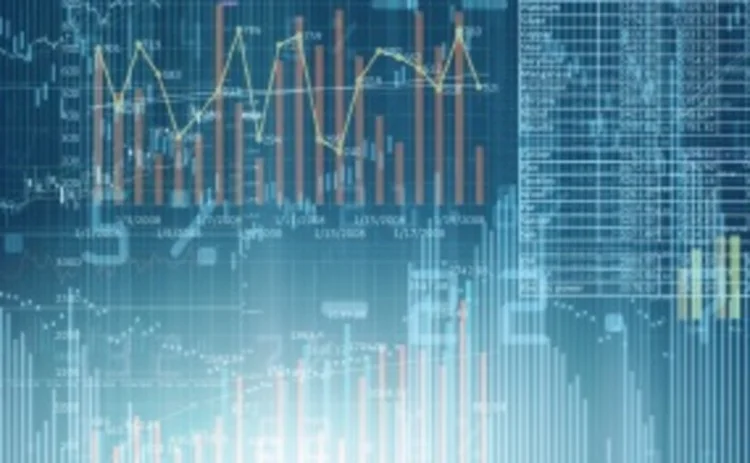
Understanding volumes of market data has always been a challenge for traders, asset managers and investors attempting to make sense of numbers flashing across a screen. Hence, over the years, some of the most effective data platforms have been those with analytical tools that help traders make sense of that data, that add context, and provide insight into more than just the in-the-moment price changes. After all, a single price out of context and with no reference to its movement has little meaning, and one of the best ways to display that movement over time is visually.
With the rise of algorithmic trading and the increase in machine-readable data inputs, some of these analytics became entirely computerized, relying on technologies that can crunch vast volumes of data to create their own context without the need of visual displays geared at human traders.
But as it becomes harder to compete in the high-frequency trading space, and as instruments and markets become more complicated, traders in markets with lower levels of automation have discovered new value in analytics' ability to provide insight where machines as yet cannot. And for many at the institutional level, the next stage of analytics will involve more use of black-box engines to perform complex calculations at low latency. But for many more-including those at both the institutional and retail level- while analytics will look very different from those of the past, they will continue to be visual processes: it's just that these will be more complex than before, to account for the fact that higher volumes of faster and more granular data exist today, and will serve the purpose of providing precision insight into these volumes of new data types.
And to accompany these new analytics, expect to see new types of delivery mechanisms to broaden their availability, such as the use of "app store"-like platforms operated by vendors that want to offer compelling analytics but are unable-or see no need-to build their own to compete with established providers. These platforms in turn will also provide a channel for specialist providers to gain a wider audience.
The next generation of analytics is full of opportunity. And taking advantage of the opportunity to leverage these new tools will help investors grasp opportunities in the marketplace that they wouldn't have spotted without them.
Only users who have a paid subscription or are part of a corporate subscription are able to print or copy content.
To access these options, along with all other subscription benefits, please contact info@waterstechnology.com or view our subscription options here: https://subscriptions.waterstechnology.com/subscribe
You are currently unable to print this content. Please contact info@waterstechnology.com to find out more.
You are currently unable to copy this content. Please contact info@waterstechnology.com to find out more.
Copyright Infopro Digital Limited. All rights reserved.
As outlined in our terms and conditions, https://www.infopro-digital.com/terms-and-conditions/subscriptions/ (point 2.4), printing is limited to a single copy.
If you would like to purchase additional rights please email info@waterstechnology.com
Copyright Infopro Digital Limited. All rights reserved.
You may share this content using our article tools. As outlined in our terms and conditions, https://www.infopro-digital.com/terms-and-conditions/subscriptions/ (clause 2.4), an Authorised User may only make one copy of the materials for their own personal use. You must also comply with the restrictions in clause 2.5.
If you would like to purchase additional rights please email info@waterstechnology.com
More on Trading Tech
Goldman exec: Dec. 6 a ‘lighthouse’ for EU T+1 readiness
Officials from JP Morgan, the European Central Bank, the National Securities Depository, and Goldman Sachs explained how T+1 preparation needs to be different in the EU than in the US, while speaking at Sibos.

Month-long power glitch hits key APAC trade surveillance tool
Nasdaq’s alert functions were restored, but users say testing and calibration tools were still disrupted.
Bankers question value of round-the-clock trading
BNY and State Street execs predict the arrival of extended-hours trading will come with a hefty price tag for industry firms.

BlackRock Aladdin prioritizing semantic layer for agentic AI
The asset manager’s tech platform is spending “a lot of time thinking about” semantics before it rolls out AI for a variety of tasks, says Aladdin exec.

Trading firms rethink infrastructure proximity as Asia’s FX markets grow
Firms that treat local infrastructure as core to how they serve clients in Asia stand to benefit from Singapore’s growing role as an FX hub, writes Judy Goh.
Staffing and corporate actions preparations made ahead of 23/5 trading launch
Exchanges, trading firms, and industry observers tackled market preparedness during an SEC roundtable ahead of the December 6 go-live.

GPU compute derivatives are put to the test
Interest rates and onions of the past haunt what could be a booming new index market.

The GPU compute index race begins
Major exchanges are partnering with a new crop of benchmark providers to create a tradable asset class around GPU compute.