BATS Document Suggests LULD Delay
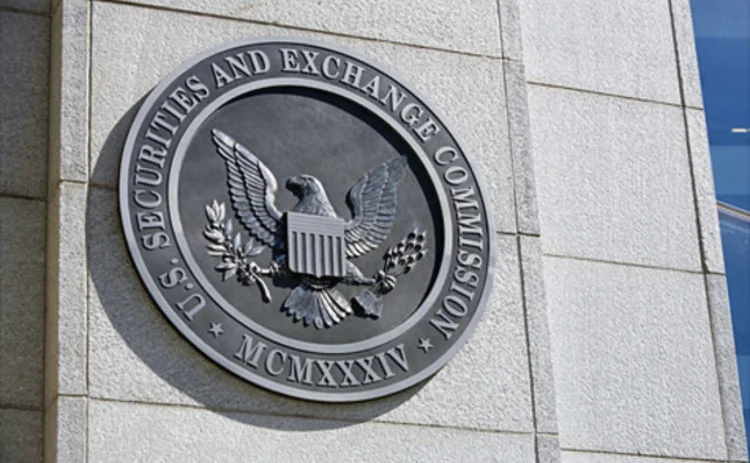
Last year, the Securities Industry and Financial Markets Association (SIFMA) expressed concern over the timeframe for implementation in a letter to the US Securities and Exchange Commission (SEC), saying that the technology needed to facilitate the measures could not be put in place by February.
While the SEC, which announced the rules in June 2012, has yet to officially approve the revised SIFMA timetable, the inclusion of the date in an official exchange notice is significant. Under BATS' timetable, April 8 will be the start date for the first phase of the project, with August 1 being the start date of the second roll-out. Direct Edge, in its own timetable, has the official start date but references the proposed timetable. BATS also mentions in the notice that the timeframe has yet to receive SEC approval.
LULD measures are specifically designed to mitigate the effect of events like the Flash Crash, which temporarily wiped $1 trillion from the value of the US stock markets in May 2010. The value recovered minutes later but spooked participants and regulators alike, with algorithmic and high-frequency trading receiving the popular blame despite a joint SEC and Commodity Futures Trading Commission (CFTC) study absolving it.
Only users who have a paid subscription or are part of a corporate subscription are able to print or copy content.
To access these options, along with all other subscription benefits, please contact info@waterstechnology.com or view our subscription options here: https://subscriptions.waterstechnology.com/subscribe
You are currently unable to print this content. Please contact info@waterstechnology.com to find out more.
You are currently unable to copy this content. Please contact info@waterstechnology.com to find out more.
Copyright Infopro Digital Limited. All rights reserved.
As outlined in our terms and conditions, https://www.infopro-digital.com/terms-and-conditions/subscriptions/ (point 2.4), printing is limited to a single copy.
If you would like to purchase additional rights please email info@waterstechnology.com
Copyright Infopro Digital Limited. All rights reserved.
You may share this content using our article tools. As outlined in our terms and conditions, https://www.infopro-digital.com/terms-and-conditions/subscriptions/ (clause 2.4), an Authorised User may only make one copy of the materials for their own personal use. You must also comply with the restrictions in clause 2.5.
If you would like to purchase additional rights please email info@waterstechnology.com
More on Trading Tech
Fully electronic IPOs, Google Gemini for finance, and more
The Waters Cooler: A recap of the major tech and data news from the past week in the capital markets.

Navigating the MarketAxess ICE storm
The Waters Wrap: Most of the discussion surrounding ICE’s MarketAxess buy has focused more on benefits for the front office than the data possibilities.

On vibe coding, no/low-code dev, and some potential misconceptions
The Waters Wrap: Is no-code/low-code even a thing anymore? Not really. But the companies that championed those terms just a few years ago tell Anthony they aren’t going anywhere.

SEC gunning to take over CAT in 2027
Chairman Atkins has plans for the SEC to run the Consolidated Audit Trail directly. Industry participants are split on the idea.

Rapid-fire repo raises hopes of cheaper, faster trading
Tokenized Treasuries piloted by DTCC could squash settlement cycles and enable 24/7 repo.

Stopgaps and fail-safes: How trading vendors guard against rogue AI agents
TradeStation’s newest trading tool, Titan-X, uses agentic tools to help plan, execute, and collect data on trades.

A tidal wave of token costs threatens landfall
Budgeting for AI was never “easy,” but as financial firms rely more heavily on agents, soaring token usage is forcing them to rethink the economics of modern enterprise AI.

Is this tokenization’s golden opportunity?
The Waters Wrap: More initiatives around tokenizing assets are coming to fruition. Nyela asks: Is the market ready?